 Sundarbans / Guided Journeys
Bhagabatpur Crocodile Project & Bhagabatpur Kumir Prakalpa
1976
Conservation programme established
Bhagabatpur at a glance
Location: Saptamukhi estuary, near Lothian Island
Highlights: Estuarine crocodile conservation and mangrove scenery
Access: Southern Sundarbans boat circuit via Namkhana or Ramganga
Forest closure: Every Tuesday
Suggested season: October to March
Bhagabatpur Crocodile Sanctuary in the Sundarbans
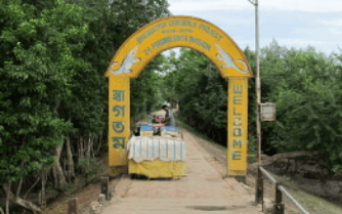
Bhagabatpur Crocodile Project, popularly known as Bhagabatpur Kumir Prakalpa (ভাগবতপুর কুমির প্রকল্প), is a notable conservation attraction in the South 24 Parganas Forest Division. It stands close to Lothian Island on the Saptamukhi estuary, surrounded by the tidal waterways and mangrove forests of the southern Sundarbans.
The official Sundarban Tiger Reserve visitor guide and West Bengal Tourism describe it as the only crocodile project in West Bengal. Also known as Bhagabatpur Crocodile Sanctuary, the centre offers an opportunity to understand reptile conservation rather than simply look for wildlife from a passing boat.
History & Purpose of Bhagabatpur Kumir Prakalpa
The crocodile breeding and rearing programme at Bhagabatpur was established in 1976. Historical conservation records describe the collection and incubation of eggs, rearing of young crocodiles under care, and subsequent release into selected habitats throughout the Sundarbans.
This Sundarbans crocodile project is an example of conservation in practice. Egg care, suitable enclosures, animal health and the timing of release all form part of the programme. Historical work with Nature Mates from 2013 to 2018 also included staff training, hatchling care, monitoring and public education.
Estuarine Crocodiles at Bhagabatpur
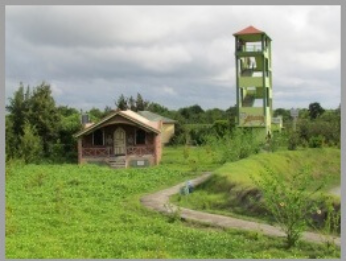
The saltwater crocodile or estuarine crocodile (Crocodylus porosus) is adapted to rivers, tidal creeks and coastal wetlands. In the wild, these reptiles are a natural part of the Sundarbans ecosystem. At Bhagabatpur Crocodile Sanctuary, the conservation centre has traditionally maintained crocodiles at different stages of development.
A visit to this Sundarbans crocodile project can help travellers understand the difference between captive rearing for conservation and observing wild crocodiles during a forest cruise. For example, a February 2022 report recorded the release of 35 crocodiles reared at Bhagabatpur. That historical release is not a statement of today’s animal count.
Observe only from designated visitor areas. Do not feed, tease or touch crocodiles, and follow all instructions given by forest staff.
Batagur baska — Northern River Terrapin Conservation
The Sundarbans crocodile project at Bhagabatpur is also associated with conservation of the northern river terrapin (Batagur baska), a critically endangered turtle found in riverine and estuarine habitats. The older tourism descriptions refer to it as a tortoise; it is more accurately described as a river terrapin.
Unlike crocodiles, river terrapins have a shell and a different life history. Conservation breeding and habitat protection are important for both species. Visitors to Bhagabatpur Kumir Prakalpa should confirm whether particular animals and facilities are available for public viewing at the time of their visit.
How to Reach Bhagabatpur Crocodile Project from Namkhana
Namkhana provides a convenient approach to Bhagabatpur from the western side of the Sundarbans. Ramganga is another possible boarding area, depending on the planned route. Travel by road from Kolkata to the chosen jetty and continue by authorised boat.
A Bhagabatpur tour package from Namkhana is particularly suitable for a southern forest itinerary. Bhagabatpur can also be approached from Sajnekhali, although the longer boat journey calls for more careful planning. Consult our Sundarbans boat rental options for a customised route.
Confirm the boarding point, journey duration, tide, forest entry arrangements and vessel before departure. Do not assume that Bhagabatpur is included in every regular Sundarbans day tour.
Bhagabatpur Tour — Bonnie Camp, Kalash & Lothian Island
The original India Beacons route from Namkhana or Ramganga often visits Bhagabatpur first, before travelling toward Bonnie Camp or Kalash Camp. Depending on the authorised itinerary, the journey can pass near Lothian Island Wildlife Sanctuary and Haliday Wildlife Sanctuary.
Bonnie Camp is approximately 3 hours by boat from Bhagabatpur, while Kalash Island is approximately 4 hours away. Actual sailing times depend on tides, weather, vessel and permitted routes. Landing on Kalash Island beach is prohibited.
For a customised Bhagabatpur tour package from Namkhana, consider an itinerary that gives sufficient time for the conservation centre and the broader forest journey rather than rushing through the southern circuit.
Visitor Information, Permits & Best Time to Visit
The Sundarbans forest is closed to tourists every Tuesday. For Bhagabatpur Crocodile Sanctuary, confirm current opening hours, permitted visitor areas, forest entry charges and boat arrangements in advance. A conservation charge order dated 13 September 2024 identifies Bhagabatpur among the southern forest destinations; consult the latest applicable forest department rules rather than treating historic fees as current.
October to March is generally preferable for a Bhagabatpur tour. Weather and tides matter throughout the year. Bring drinking water, sun protection and comfortable footwear; keep noise low and respect designated visitor areas. The centre’s conservation priorities take precedence over sightseeing.
India Beacons Sojourn arranges customised boat journeys to Bhagabatpur Crocodile Project as part of suitable Sundarbans packages. Call +91 9903295920 or +91 8585007393 for assistance with a Bhagabatpur tour package from Namkhana or another suitable starting jetty.
Frequently Asked Questions about Bhagabatpur Crocodile Project
What is Bhagabatpur Crocodile Project?
It is a forest department conservation centre established in 1976. This Sundarbans crocodile project has bred and reared estuarine crocodiles for release into suitable natural habitats.
What is Bhagabatpur Kumir Prakalpa?
Bhagabatpur Kumir Prakalpa (ভাগবতপুর কুমির প্রকল্প) is the Bengali name of the Bhagabatpur Crocodile Project. Kumir means crocodile and Prakalpa means project.
Where is Bhagabatpur Crocodile Project located?
It lies on the Saptamukhi estuary, near Lothian Island, in the South 24 Parganas Forest Division of West Bengal.
Is Bhagabatpur the only crocodile project in West Bengal?
The official West Bengal Tourism and Sundarban Tiger Reserve visitor guides describe Bhagabatpur as the state’s only crocodile project.
Which species is bred at the Sundarbans crocodile project?
The estuarine or saltwater crocodile (Crocodylus porosus) is the principal species associated with the conservation breeding programme.
What is the Batagur baska conservation programme?
Batagur baska, the northern river terrapin, is a freshwater and estuarine turtle, not a land tortoise. The centre’s conservation work has also included this critically endangered species. Ask about current viewing arrangements.
How are crocodiles conserved at Bhagabatpur Kumir Prakalpa?
The programme has used egg incubation, controlled rearing and release into appropriate wild habitats under forest department supervision.
Can I see crocodiles of different ages?
The hatchery has historically housed crocodiles at several stages of growth. The animals and enclosures available to visitors depend on current conservation and access arrangements.
How can I reach Bhagabatpur from Namkhana?
Arrange an authorised boat from a suitable jetty in the Namkhana or Ramganga area. India Beacons can help plan a Bhagabatpur tour package from Namkhana, subject to access and route confirmation.
Can I visit Bhagabatpur from Sajnekhali?
Yes, subject to permitted routes and sailing conditions. It is considerably farther from the usual central Sundarbans circuit; plan a customised itinerary rather than assuming it fits into a standard short tour.
Can I combine Bhagabatpur with Bonnie Camp and Kalash Island?
Yes, on an appropriately planned southern circuit. From Bhagabatpur, allow about 3 hours by boat to Bonnie Camp and 4 hours to Kalash Island, depending on tides, weather, vessel and permitted routes.
What are the opening hours and entry fees?
Confirm the current visiting hours, applicable forest permits and conservation charges before departure. Historic fee or timing information should not be treated as a current guarantee.
Is Bhagabatpur Kumir Prakalpa open on Tuesdays?
The Sundarbans forest is closed to tourists every Tuesday. Confirm any specific centre arrangements before making travel plans.
What is the best season for a Bhagabatpur tour?
October to March is generally preferable for boat travel. The actual itinerary depends on weather, tides, current forest permissions and guest preferences.
Can India Beacons arrange a Bhagabatpur tour package from Namkhana?
Yes, India Beacons Sojourn can discuss a customised Bhagabatpur tour and suitable boat arrangements. Contact us to confirm dates, boarding jetty and forest access before booking.