 Sundarbans / Guided Journeys
Lothian Island Wildlife Sanctuary — Sundarbans
38 km²
Notified sanctuary area
Lothian Island at a glance
Location: Saptamukhi estuary, western Sundarbans
Protected area: Wildlife sanctuary
First notification: 24 June 1976
Forest closure: Every Tuesday
Visitor access: Subject to forest permission
Lothian Island Wildlife Sanctuary in the Sundarbans
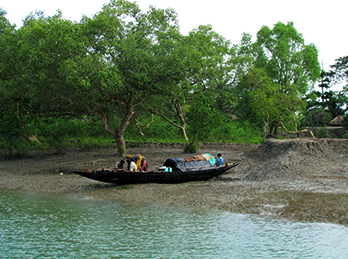
Lothian Island is a protected mangrove island in the western part of the Indian Sundarbans. The sanctuary is surrounded on three sides by the Saptamukhi River, with the Bay of Bengal to the south. Its setting is different from the familiar Sajnekhali watchtower circuit and offers a perspective on the delta as it meets the sea.
Together with Sajnekhali and Haliday Island Wildlife Sanctuary, Lothian forms part of the protected-area network within the Sundarbans Biosphere Reserve. For visitors exploring Lothian Island Sundarbans waterways, the main appeal is the coastal mangrove landscape and the rich natural heritage of the estuary. The photograph represents the original image preserved from our earlier attraction listing.
History & Protected Area
The West Bengal Forest Department records identify the first notification (No. 5392, dated 24 June 1976) and the final declaration (No. 2771-For., dated 19 August 1998, published 1 September 1998). The latter describes the sanctuary in the Namkhana Range of the 24 Parganas Forest Division.
The Wildlife Institute of India protected-area database lists Lothian Island Wildlife Sanctuary at 38 square kilometres. The national coastal island database measures the wider island separately; the legal sanctuary area is not the same as a survey of the whole island.
Lothian Island Wildlife & Mangrove Habitat
Lothian Island wildlife records include estuarine crocodiles, fishing cats, otters, spotted deer, rhesus macaques and wild pigs. The surrounding aquatic environment supports dolphins, while marine turtles and monitor lizards also feature in government biodiversity records. A record of a species is not a guarantee of a sighting on a particular visit.
Mangrove plants such as baen, khalsi, kankra and goran thrive in the saline tidal environment. Their specialised roots help stabilise muddy banks and create feeding and shelter habitats. Observing the channels and exposed banks from a respectful distance can be rewarding for nature enthusiasts.
Birdwatching & Responsible Nature Interpretation
The official sanctuary biodiversity inventory includes kingfishers, fish eagles, flamebacks and other waterbirds. Lothian Island wildlife observation should take place on authorised routes, with minimal noise and without feeding, disturbing or approaching animals.
Bring binoculars and a camera with sufficient reach rather than seeking close encounters. The western Sundarbans is a dynamic environment; bird activity, exposed mudflats and visibility vary with the tide, season and weather.
Conservation & the Eco-Sensitive Zone
The Central Government issued the final Eco-Sensitive Zone notification S.O. 5642(E) on 5 December 2025 (Gazette ID CG-DL-E-12122025-268446, published 12 December 2025). The notification text describes a surrounding regulated zone of about 49.13 square kilometres, one to two kilometres wide.
This additional conservation framework is distinct from the sanctuary boundary and does not itself authorise public entry. Maintaining the mangroves and tidal channels helps protect habitats and the coastal landscape. A Lothian Island tour must respect the applicable forest and navigation conditions.
How to Reach Lothian Island Sundarbans
Namkhana is a practical starting area for planning a western Sundarbans boat journey. The onward leg requires arranging a suitable boat and confirming the permissible waterways with the relevant forest authority. Access to the island itself should not be presumed.
There is no road journey directly to the sanctuary. Road or rail travel from Kolkata to a suitable mainland gateway must be coordinated with the boat transfer. Actual sailing duration depends on the departure jetty, route and tidal conditions; we do not quote a fixed time without confirming these details.
Enquire about Sundarbans boat rental before planning a Lothian Island tour. Advance arrangements are particularly important for less frequently travelled routes.
Lothian Island Tour — Explore the Western Sundarbans
Indian Sundarbans itineraries starting from the Namkhana side can include the Bhagabatpur Crocodile Project and authorised waterways near Lothian Island. For a longer southern circuit, consider Kalash Camp, Kalash Island, Bonnie Camp and Haliday Wildlife Sanctuary wherever the approved route permits.
The wider southern circuit may require two to three days or more, with a three-night, four-day itinerary often preferable for covering several widely separated attractions. A customised Lothian Island tour is an enquiry, not a guaranteed fixed-date departure.
Visitor Guidance & Best Time to Visit
October to March is generally preferable for a Lothian Island Sundarbans journey. Exposed waters can become rough, particularly during the monsoon or a cyclone warning. Travel only when the vessel, forecast and official permissions allow.
The Sundarbans forest is closed to tourists every Tuesday. Visitors must comply with the authorised route, guide requirements and all access restrictions. Do not disembark, enter forest interiors or assume accommodation is available without specific approval.
Contact India Beacons Sojourn on +91 9903295920 or +91 8585007393 to discuss a customised itinerary. Our Lothian Island wildlife guide is for informed trip planning and conservation awareness; exact permissions, charges and travel timings must be confirmed for each tour.
Frequently Asked Questions about Lothian Island Wildlife Sanctuary
Where is Lothian Island Wildlife Sanctuary?
It lies in the western Sundarbans in South 24 Parganas, at the seaward end of the Saptamukhi River system.
What is the area of Lothian Island Wildlife Sanctuary?
Its legally notified sanctuary area is 38 square kilometres. A geographic measurement of the whole island need not match the legal sanctuary boundary.
When was Lothian Island Wildlife Sanctuary established?
The original notification is dated 24 June 1976. The subsequent final state declaration, dated 19 August 1998, was published in the West Bengal Gazette on 1 September 1998.
What is special about Lothian Island Sundarbans?
The combination of tidal creeks, mangrove forest and an exposed coastal estuary makes it an important conservation landscape.
What animals are found in Lothian Island wildlife habitats?
Recorded fauna include spotted deer, wild pigs, macaques, fishing cats, estuarine crocodiles and water monitor lizards. Individual sightings cannot be assured.
Is Lothian Island good for birdwatching?
The official biodiversity record lists kingfishers, fish eagles, woodpeckers and waterbirds. Observe them quietly from permitted waterways.
What is the Lothian Island Eco-Sensitive Zone?
The final central notification dated 5 December 2025 defines a surrounding zone of approximately 49.13 square kilometres, extending between one and two kilometres from the sanctuary boundary.
Can tourists land on Lothian Island?
Do not plan to land or walk in the sanctuary unless the competent forest authority specifically confirms that this is permitted. A boat route with confirmed access is the safer planning assumption.
How can I arrange a Lothian Island tour from Namkhana?
Contact an experienced boat operator before arriving. Confirm the starting jetty, current forest permission, guide arrangements, allowable route and suitable vessel.
How long does a Lothian Island tour take?
Sailing time depends on the starting jetty, vessel, tide and authorised route. A specific duration will be advised when the itinerary is confirmed.
What is the best season for Lothian Island Sundarbans tours?
October to March is generally preferable for the wider southern Sundarbans. Actual sailing depends on marine weather, official restrictions and tides.
Is the forest open to tourists on Tuesday?
No. The Sundarbans forest is closed to tourists every Tuesday. Plan the forest portion of your trip accordingly.
Can I combine a Lothian Island tour with Bhagabatpur?
A western Sundarbans itinerary may combine the Bhagabatpur Crocodile Project with permitted waterways near Lothian Island. The sequence depends on access and sailing conditions.
Can tourists stay overnight on Lothian Island?
No accommodation is included or promised on the island. Arrange accommodation outside the protected area or an authorised vessel-based stay where permitted.
Can I book a Lothian Island tour with India Beacons Sojourn?
Send an enquiry for a customised western or southern Sundarbans itinerary. Inclusion of Lothian Island is subject to current permission and safe operating conditions.