 Sundarbans / Guided Journeys
Jhingekhali Watchtower & Jhingakhali Watchtower
20
Reported watchtower capacity (people at a time)
Jhingekhali at a glance
Location: Basirhat Range, eastern Sundarbans
Highlights: Freshwater pond, observation lines, Bonbibi Temple
Access: Registered boat, forest permission and guide
Forest closure: Every Tuesday
Suggested season: October to March
Jhingekhali Watchtower in the Sundarbans
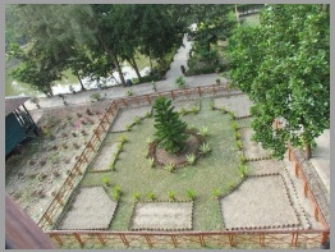
Jhingekhali, also spelt Jhingakhali, is a forest beat on the eastern fringe of the Indian Sundarbans, in the Basirhat (Bashirhat) Range of the Tiger Reserve. Jhingakhali Watchtower is less frequently included in itineraries starting near Sajnekhali and Dayapur because of the longer boat journey.
Visitors to Jhingakhali in the Sundarbans can enjoy a quieter forest setting, with mangrove creeks and tidal rivers forming an important part of the journey. The Forest Department’s visitor information identifies its pond and observation lines as features for viewing wildlife.
A published river tourism planning report records a capacity of 20 visitors at a time. Observe the current limits and instructions of forest staff.
Wildlife at Jhingakhali Watchtower
The freshwater pond provides an opportunity to observe wildlife from a safe distance. At Jhingekhali Watchtower, cleared observation lines give visitors a view of the surrounding forest. Bring binoculars and watch patiently for birds and other wildlife.
India Beacons’ earlier visits to Jhingakhali in the Sundarbans record Brahminy kites in the area. The relative quiet of this circuit can make birdwatching rewarding, but wildlife sightings vary and a Royal Bengal Tiger sighting cannot be guaranteed.
Bonbibi Temple & River Terrapin Conservation
The Bonbibi Temple at Jhingakhali Watchtower is a reminder of the cultural traditions of people who depend on the Sundarbans forest. Bonbibi is revered locally as a protector of those who enter the forest. Please respect the place of worship and the guidance of forest staff.
The official eastern forest route also identifies a conservation assurance colony of the endangered northern river terrapin (Batagur baska) at Jhingekhali. Confirm whether any conservation facility is accessible to visitors before arranging a visit.
Jhingekhali & the Eastern Sundarbans Forest Circuit
Jhingekhali in the Sundarbans is commonly visited in conjunction with Burirdabri Forest Camp & Watchtower. The eastern circuit can also include Khatuajhuri and Harikhali, subject to the route approved by the Forest Department.
The published Bagna–Harikhali route describes a full-day circuit with landing stops at the Jhingekhali and Burirdabri complexes. It allocates approximately one hour at Jhingekhali. These are planning indications, not guaranteed timings or access.
For a wider exploration, combine the eastern forest circuit with Sajnekhali Watchtower on a longer Sundarbans itinerary rather than attempting to cover every site in one short visit.
Jhingakhali Watchtower: Entry Permission & Boat Hire
To visit Jhingakhali in the Sundarbans, arrange a registered boat, required forest permission and a recognised guide. Permission arrangements depend on the approved entry point, including Sajnekhali or Bagna. A boarding jetty is not necessarily a forest permission office.
Depending on the authorised route, boats can be arranged from Canning, Sonakhali, Godkhali (Godhkhali), Jharkhali, Dhamakhali or Sandeshkhali. Book in advance through our Sundarbans boat hire service and consult the Forest Department’s access guidance.
Tuesday closure: The Sundarbans forest is closed to tourists every Tuesday, including Jhingekhali Watchtower. Plan forest visits on other days.
How to Reach Jhingekhali in the Sundarbans & Best Time to Visit
Jhingekhali is accessible by boat or launch. The boat journey from Sajnekhali to Jhingekhali takes approximately 3½–4 hours, while the journey from Godkhali to Sajnekhali takes approximately 2½–3 hours. Travel times may vary depending on tides, weather conditions, vessel speed and the approved forest route.
October to March is generally a preferred period for visiting Jhingakhali Watchtower in the Sundarbans. During the warmer and monsoon months, the wide rivers can be rough. All trips must be planned in accordance with weather, safe navigation and forest permissions.
Plan Your Visit to Jhingekhali in the Sundarbans
Allow a full day for the eastern forest circuit itself. When travelling from the Sajnekhali area, consider a longer tour so that the journey to Jhingekhali Watchtower and neighbouring forest camps can be enjoyed without rushing.
Discuss your preferred route with India Beacons, including a customised 3-night/4-day Sundarbans tour or a suitable 2-night/3-day tour. The inclusion of Jhingakhali depends on your confirmed itinerary and permissions.
For enquiries about visiting Jhingakhali in the Sundarbans, call India Beacons on +91 9903295920 or +91 8585007393.
Frequently Asked Questions about Jhingekhali Watchtower
Where is Jhingekhali in the Sundarbans?
It is in the Basirhat (Bashirhat) Range of the Sundarban Tiger Reserve, on the eastern side of the Indian Sundarbans.
Are Jhingakhali Beat and Jhingekhali the same place?
Yes. Jhingakhali and Jhingekhali are alternate spellings used for the same forest beat and watchtower complex.
How can I reach Jhingakhali Watchtower?
By registered boat or launch along an authorised forest route. Arrange your forest entry permission and guide in advance.
Where can I board a boat to visit Jhingekhali?
Depending on the approved route, possible jetties include Canning, Sonakhali, Godkhali (Godhkhali), Jharkhali, Dhamakhali and Sandeshkhali. Confirm the boarding point with your tour operator.
Can I visit Jhingekhali without forest permission?
No. The entry permission, registered vessel and recognised guide must be arranged according to Forest Department requirements.
Where can I hire a boat to visit Jhingakhali?
India Beacons can help arrange a boat in advance. See our Sundarbans boat hire page for enquiries.
How far is Jhingekhali from Sajnekhali and Godkhali?
The boat journey from Sajnekhali to Jhingekhali takes approximately 3½–4 hours, and from Godkhali to Sajnekhali approximately 2½–3 hours. Travel times may vary depending on tides, weather conditions, vessel speed and the approved forest route.
Which attractions can I combine with Jhingekhali Watchtower?
Burirdabri, Khatuajhuri and Harikhali form part of eastern forest itineraries. Actual landing stops depend on the approved route and prevailing access conditions.
How many days are needed to visit Jhingakhali in the Sundarbans?
Allow a full day for the eastern circuit. A longer tour is desirable when starting from Sajnekhali or combining this circuit with other forest attractions.
What is the best time to visit Jhingekhali Watchtower?
October to March is generally preferred. Travel must remain subject to safe river conditions and forest approval.
Is Jhingekhali open on Tuesdays?
No. The Sundarbans forest is closed to tourists every Tuesday, including Jhingekhali.
How many people can visit Jhingakhali Watchtower at a time?
A published tourism planning report records a capacity of 20 people at a time. Follow the limits currently set by the forest staff.
What can I see at Jhingekhali Watchtower?
The complex is known for its freshwater pond, observation lines and Bonbibi Temple. Enjoy the mangrove habitat and watch for birds and wildlife.
Can I see a Royal Bengal Tiger at Jhingakhali Watchtower?
Sightings are unpredictable. The quiet forest setting is rewarding in itself, and a tiger sighting cannot be promised.
Can India Beacons arrange a Jhingekhali tour?
Yes. Enquire about a customised forest circuit with a registered boat, guide and applicable forest permissions.